

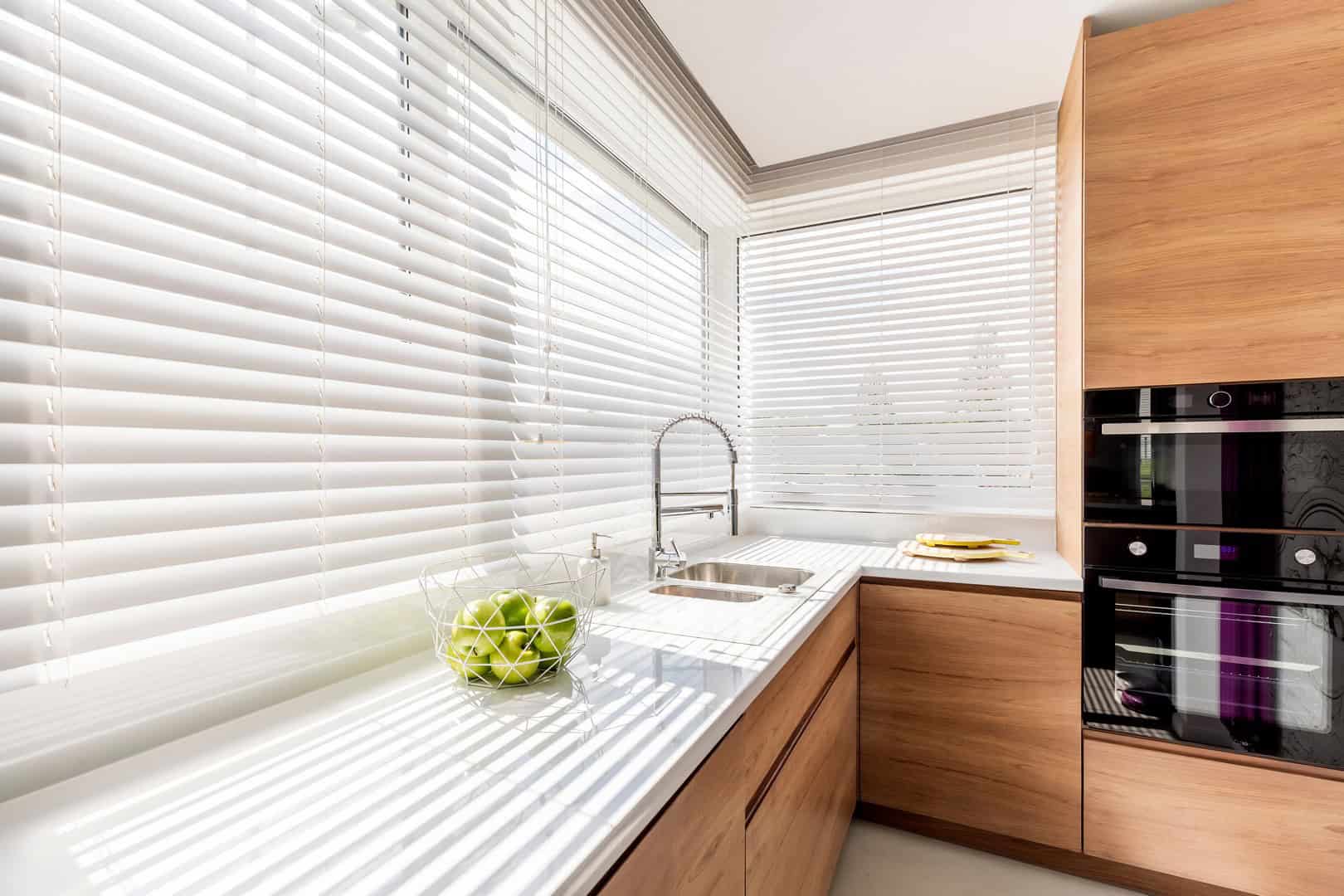
One of the most common questions we hear at Manchester Blinds 24/7 is whether to choose blackout or light-filtering fabric. It sounds like a small detail, but it makes a real difference to how a room looks and feels, and choosing the wrong one is a frequent source of regret. This guide explains exactly what each does, where each works best, and how to decide.
What blackout blinds actually do
Blackout fabrics are densely woven or coated to block virtually all light from passing through. When fitted well, they create a dark, restful environment even on a bright summer morning. It is worth understanding that “blackout” refers to the fabric itself, not the fit. Light can still creep around the edges of any blind, so for true darkness, the way a blind is fitted matters just as much as the fabric, which is one reason a precise, made-to-measure fit is so valuable.
What light-filtering blinds do
Light-filtering, sometimes called translucent or dim-out, fabrics let soft, diffused daylight into a room while still offering daytime privacy. They take the harsh edge off bright sunlight and reduce glare without plunging the room into darkness. They are perfect where you want to stay connected to natural light but do not need the room blacked out.

Best rooms for blackout
Bedrooms are the classic case for blackout. Better darkness means better sleep, which matters even more for shift workers, light sleepers and young children whose body clocks are easily disrupted by early light. Nurseries benefit enormously, helping babies settle for naps during the day. Home cinema rooms and media spaces are another strong candidate, where you want to control screen glare completely.
Best rooms for light-filtering
Living rooms, kitchens and dining spaces usually suit light-filtering fabrics, where daytime brightness is welcome and you simply want to soften it. Home offices benefit too, cutting glare on screens while keeping the space bright and pleasant to work in. Bathrooms often work well with light-filtering fabrics, though it is worth checking how a fabric behaves at night, when interior light can make thinner materials more transparent than expected.
Can you have the best of both?
Yes, and many homeowners do. Pairing a light-filtering blind with curtains gives you flexible daytime light and better darkness at night. Day-and-night style blinds, which combine sheer and solid bands, let you switch between filtered light and greater privacy in one product. For ultimate flexibility, some rooms suit two blinds layered together. Our team can talk you through these combinations to suit how you actually use each room.
Do not overlook insulation
Both blackout and light-filtering blinds can offer thermal benefits, but if energy efficiency is a priority, ask about honeycomb and thermal fabrics. These trap a layer of air that helps keep heat in during winter and out during summer, which is especially useful for large windows and conservatories.

Getting the choice right
The simplest way to decide is to think about each room’s main purpose and when you use it. Rooms for sleeping and screens lean blackout. Rooms for living and working lean light-filtering. When you are unsure, seeing fabrics in your own home makes all the difference, because a sample held against your actual window in your actual light tells you far more than a swatch under shop lighting.
At Manchester Blinds 24/7, we bring a full range of blackout and light-filtering samples directly to your door, so you can compare them properly before deciding. Get in touch today and our friendly team will help you choose the perfect fabric for every room.